Recycling and Sustainability at Gardening Camden Town
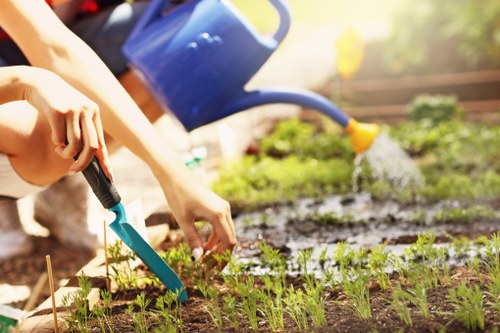 Gardening Camden Town is committed to creating an eco-friendly waste disposal area and a thriving sustainable rubbish gardening area that supports biodiversity, reduces landfill and models best practice for urban green spaces. Our approach to recycling and sustainability is practical: minimise waste on site, recover materials, and work with the borough's waste separation systems to close the loop on garden resources.
We scale our green impact through clear targets, careful infrastructure and visible actions. Our operational recycling percentage target is to achieve a 70% recycling and reuse rate across all site-generated waste by the end of 2027. This target covers green waste, cardboard and paper from planting supplies, plastic pots and trays, timber offcuts and textiles used in community projects.
How we work with Camden borough waste separation
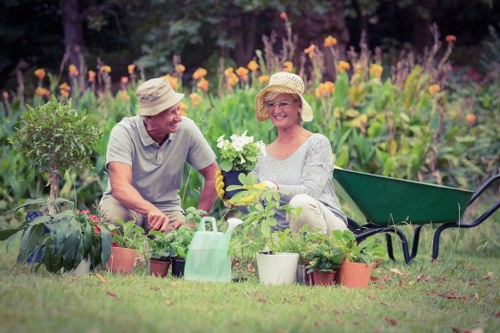
The borough's approach to waste separation — with separate streams for food waste, garden waste, mixed recycling and residual waste — underpins our systems. We align our site sorting with Camden Council guidance so that compostable material is captured correctly, mixed recyclables are prepared to local transfer station standards, and residual waste is kept to an absolute minimum.Practical onsite measures
On a daily basis our team operates a dedicated green waste area where prunings, weeds and grass cuttings are chipped and turned into compost. We use marked bays and colour-coded bins to mirror the borough's collection streams. Plastic pots are rinsed and stored for reuse, timber is graded for reuse and chippings, and soil is sieved and restored to planting beds whenever possible.We also run a small-scale composting station that reduces food and green waste going off-site. Where items cannot be composted or reused, we ensure materials are consolidated for the nearest transfer station so they enter the correct downstream recycling or energy recovery streams.
Local transfer stations and material flows
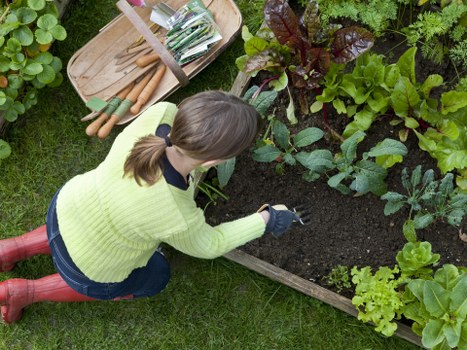
Gardening Camden Town works with local transfer stations and recycling depots that process north London garden and household recyclables. Materials are prepared to the standards required by local facilities, including clean cardboard bundles, segregated plastics and bundled timber. Using transfer stations reduces haulage mileage and ensures higher recovery rates for mixed green and dry recyclables.We also prioritise reuse and redistribution. Partnerships with charities and community organisations are central to that effort — we collaborate with local food redistribution and gardening charities to put surplus produce, seeds and useful materials back into community use. Through these partnerships, items that might otherwise be disposed of are turned into opportunities for local groups and residents.
Specific recycling activities we run or support include:
- On-site green waste chipping and composting for soil regeneration.
- Segregated storage of plastics, metals and glass for council recycling collections.
- Repair, cleaning and reuse of pots and trays; redistribution of durable materials to local charities.
- Bulky green waste consolidation for transfer to authorised depots and energy-from-waste partners when material cannot be recycled.
These activities reflect the wider borough emphasis on waste separation and resource recovery: sorting at source makes downstream recycling more effective and reduces contamination rates at transfer stations.

Low-carbon transport and site logistics
Reducing transport emissions is essential to a low-impact waste management strategy. We operate a small fleet of low-carbon vans — mostly electric and hybrid vehicles — for moving compost, donated materials and reused items between sites and partner charities. Route optimisation and consolidated collections minimise mileage, while last-mile deliveries to community projects often use cargo bikes to cut emissions further.Where heavier or less frequent movements are needed, we coordinate with local transfer stations to use scheduled bulk pick-ups that maximise load efficiency. This combined approach reduces both our carbon footprint and the total cost of responsible waste handling.
Community partnerships and circular outcomes
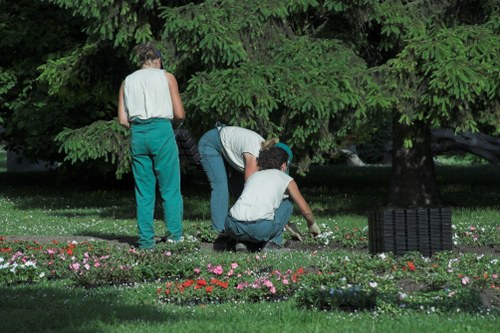
Our ongoing work with charities, social enterprises and local reuse networks ensures that material recovery creates social as well as environmental value. Through established collaborations with community growers and redistribution groups, surplus plants, compost and suitable reclaimed materials are channelled to groups supporting food growing, skills training and social inclusion in Camden Town.Transparency matters. We publish annual summaries of waste tonnages, recycling rates and transport emissions reductions so that volunteers and stakeholders can see progress against our 70% recycling target. Measurement drives improvement: by tracking contamination rates, transfer station acceptance, and reuse volumes we can adapt operations and work more effectively with borough services.
Long-term plans include increasing on-site compost capacity, piloting additional electric vehicles, expanding reuse partnerships, and exploring neighbourhood-scale anaerobic or thermal recovery options where appropriate. These steps will support a resilient, low-waste urban gardening hub that reflects Camden Town's values.
By combining a robust sustainable rubbish gardening area with strategic partnerships, aligned borough waste separation practices, and a focus on low-carbon logistics, Gardening Camden Town aims to be a local exemplar of circular, community-centred recycling and sustainability.